Upholstery Cleaning in Modern Homes: How to Keep Sofas, Chairs, and Fabrics Fresh
Upholstery cleaning is one of the most overlooked parts of home care, yet it plays a major role in how your space looks, feels, and even smells. Whether you are dealing with a family sofa, dining chairs, office seating, or a favorite armchair, professional upholstery cleaning can help preserve fabric quality, remove deep-set dirt, and improve indoor comfort. Many homeowners search for upholstery cleaning because they want more than a surface wipe-down—they want cleaner furniture that lasts longer and supports a healthier living environment.
Over time, upholstered furniture absorbs dust, skin oils, pet hair, food crumbs, pollen, and airborne pollutants. These contaminants settle into the fibers and padding, making furniture look dull and feel less fresh. Regular upholstery cleaning helps restore brightness and reduce buildup that can trigger odors or worsen allergy symptoms. If you have invested in quality furniture, it makes sense to protect it with proper cleaning care.
In this article, we will explore how upholstery cleaning works, why it matters, what methods are commonly used, and how to care for different fabric types. You will also find practical tips for extending the life of your furniture and knowing when to book professional upholstery cleaning. If your goal is cleaner furniture, better indoor air quality, and a more inviting home, this article will help you make informed decisions.
Why Upholstery Cleaning Matters for Every Home

Furniture is used every day, which means it naturally collects dirt faster than many people realize. Upholstery cleaning is not just about appearance; it is also about hygiene, durability, and comfort. A clean sofa or chair can transform a room, making it feel brighter, fresher, and more welcoming. On the other hand, neglected upholstery can make even a tidy room seem tired and unkept.
One of the biggest reasons people turn to upholstery cleaning is to remove hidden contaminants. Fabric fibers trap dust mites, dead skin cells, pet dander, and microscopic particles from the environment. While routine vacuuming helps, it does not reach everything embedded deep within the upholstery. Professional upholstery cleaning offers a deeper clean that can lift residues from the surface and the inner layers of the fabric.
Another important benefit is odor removal. Furniture absorbs cooking smells, pet odors, sweat, smoke, and moisture over time. These odors can become noticeable in living spaces, especially if windows stay closed for long periods. With proper upholstery cleaning, many of these smells can be neutralized rather than masked, leaving your home feeling noticeably fresher.
How Upholstery Cleaning Supports a Healthier Indoor Environment
Indoor air quality matters more than many homeowners think, and upholstery can influence it. Fabrics often act like filters, trapping particles that circulate through the home. While this can be helpful in some ways, it also means your furniture may hold allergens and pollutants that are released back into the air when people sit, move, or vacuum around them. Routine upholstery cleaning reduces this buildup and supports a cleaner indoor environment.
Allergen reduction is a major reason families invest in upholstery cleaning. Dust mites thrive in soft furnishings, and pet dander can cling to fabric for long periods. For households with children, pets, or allergy-sensitive individuals, keeping upholstered items clean can make everyday living more comfortable. In many cases, a scheduled cleaning routine helps reduce sneezing, sniffing, and irritation linked to fabric contamination.
Upholstery cleaning can also help prevent the spread of bacteria and stains that may develop from spills, body oils, or food residue. When fabrics remain damp for too long after spills, they can develop mildew or unpleasant odors. By addressing dirt and moisture quickly, upholstery cleaning contributes to better hygiene and better long-term furniture condition.
Common signs your upholstery needs attention
- Visible stains or discoloration
- Persistent odors that do not fade
- Dull or matted fabric texture
- Increased allergy symptoms indoors
- Pet hair and debris that keep returning
Popular Methods Used in Upholstery Cleaning
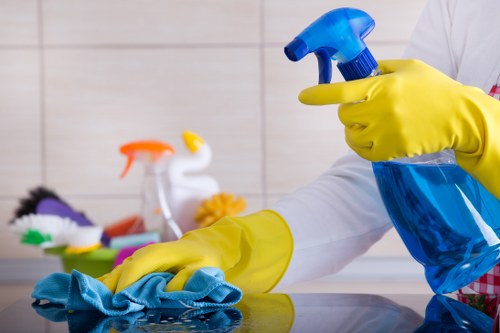
There is no single method that works for every piece of furniture. Upholstery cleaning depends on the fabric type, the level of soiling, and the construction of the item. The most effective professionals choose methods based on the material to avoid damage, shrinkage, or color fading.
Steam cleaning, also known as hot water extraction, is one of the most widely used methods for durable synthetic fabrics. It works by applying heated solution and extracting the dirt along with moisture. This approach can deliver excellent results when performed correctly, especially on sofas, sectionals, and chairs that have accumulated years of grime.
Dry cleaning methods are often used for delicate fabrics that cannot tolerate excessive moisture. These systems rely on specialized solvents or low-moisture compounds to break down dirt and lift contaminants from the upholstery. For silk blends, certain vintage materials, or fragile decorative pieces, dry upholstery cleaning may be the safest choice.
Other common upholstery cleaning approaches
- Foam cleaning: Uses a light foam that cleans without saturating the fabric.
- Encapsulation: Traps soil in crystallized particles that can be vacuumed away after drying.
- Bonnet cleaning: Uses a rotating pad for surface-level maintenance on some fabrics.
- Spot treatment: Targets specific stains before full cleaning begins.
Each method has strengths and limitations, so professional upholstery cleaning typically begins with a fabric inspection and testing process. That helps ensure the safest and most effective treatment is selected for the material.
Fabric Types and Why They Need Different Care
Not all upholstery is made equal. Cotton, linen, wool, microfiber, velvet, leather, and synthetic blends all react differently to cleaning solutions and moisture. A careful upholstery cleaning service should identify the fabric before beginning treatment because the wrong process can cause damage. Understanding your furniture material makes it easier to choose the correct maintenance strategy.
Microfiber is popular because it is durable and relatively easy to maintain, but it still traps oils and fine dust. Upholstery cleaning for microfiber usually focuses on lifting surface residue and restoring the nap of the fabric. Cotton and linen, by contrast, may stain more easily and can require a gentler touch to avoid water marks or distortion.
Leather requires a specialized approach altogether. It is not cleaned like fabric upholstery, and it needs conditioning as well as dirt removal. Regular dusting and careful cleaning can help preserve leather’s finish and prevent cracking. If you are unsure what your furniture is made of, check the manufacturer label or consult a professional before attempting any upholstery cleaning at home.
Helpful fabric care reminders
- Always test a cleaning solution in a hidden spot first.
- Do not oversaturate delicate fabrics.
- Use the correct attachment when vacuuming upholstery.
- Avoid harsh scrubbing on woven or textured materials.
- Follow care labels whenever they are available.
Professional Upholstery Cleaning vs. DIY Cleaning
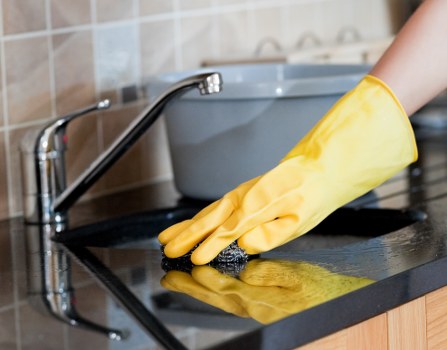
Many people try DIY upholstery cleaning first, and in some cases that can work well for minor spills or regular upkeep. However, deeper stains, strong odors, and heavily used furniture often benefit from professional treatment. The main difference lies in the tools, products, and expertise available. Professional upholstery cleaning uses commercial-grade equipment and fabric-safe methods designed to deliver stronger results with less risk.
DIY cleaning can be useful for maintenance if you are careful. Vacuuming, light spot treatment, and gentle brushing can keep furniture in better shape between full cleanings. But home methods sometimes leave residue behind, especially if soap is overused or not fully extracted. That residue can attract dirt and make upholstery look dirty again faster.
Professional upholstery cleaning is often the better choice when you are dealing with stubborn stains, pet accidents, smoke odors, or furniture that has not been cleaned in years. Trained technicians know how to assess fabric type, choose an appropriate method, and avoid common mistakes such as overwetting or streaking. If your furniture is valuable, antique, or delicate, hiring an expert is usually the safer option.
When to choose professional help
- The fabric has deep or set-in stains
- Odors persist after routine cleaning
- The item is expensive or delicate
- Allergy control is a priority
- You want a faster, more thorough finish
How Often Should Upholstery Be Cleaned?
The ideal frequency for upholstery cleaning depends on lifestyle, household size, pets, and how often furniture is used. A busy family sofa needs more frequent attention than a guest-room chair. In general, most upholstered items benefit from professional upholstery cleaning every 12 to 24 months. Homes with children, pets, or allergy concerns may need it more often.
Regular maintenance in between professional visits can extend the life of your furniture. Weekly vacuuming helps remove loose dust and hair before it settles deeper into the fibers. Prompt stain treatment also matters because older stains are harder to remove. The sooner you address a spill, the better the chance of preserving the original appearance of the upholstery.
High-use items like sectional sofas, dining chairs, and office chairs often show wear more quickly than decorative seating. If you notice that your furniture looks uneven, feels sticky, or starts to smell even after surface cleaning, it may be time for another round of upholstery cleaning. Staying ahead of buildup is usually easier and more affordable than waiting until damage becomes obvious.
Simple maintenance schedule
- Vacuum upholstered furniture weekly.
- Blot spills immediately with a clean cloth.
- Rotate cushions when possible.
- Schedule deep upholstery cleaning annually or as needed.
Stain Removal and Spot Treatment Tips

Stains are one of the main reasons people search for upholstery cleaning. From coffee and wine to ink and pet accidents, spills are part of everyday life. The key to successful spot treatment is speed and caution. Rubbing aggressively can spread the stain or damage the fabric, while using the wrong product can leave marks or discoloration.
For most fresh spills, blotting is the first step. Use a clean, absorbent cloth and press gently to draw out liquid without pushing it deeper. After that, a fabric-safe upholstery cleaner may help lift residue. Always follow product instructions carefully, and never assume that a stronger solution will work better. In upholstery cleaning, gentleness often performs better than harsh scrubbing.
Stubborn stains often need professional attention because they may have penetrated the padding below the surface. This is especially true for wine, grease, ink, and pet stains. Professional upholstery cleaning can often reduce the visible impact of old stains and stop lingering odors from returning. Even when a stain cannot be fully removed, the overall appearance of the furniture can improve significantly.
Common stain mistakes to avoid
- Using too much water
- Applying bleach or harsh chemicals
- Scrubbing in circles
- Ignoring the care label
- Waiting too long before treating the spill
The Role of Upholstery Cleaning in Furniture Longevity
Furniture is a long-term investment, and proper upholstery cleaning helps protect that investment. Dirt particles act like tiny abrasives, slowly wearing down fibers every time someone sits down or shifts position. Over time, this can lead to fading, thinning, and a rougher texture. By removing debris regularly, you reduce wear and preserve the original look and feel of the material.
Extending furniture lifespan is one of the strongest reasons to clean upholstery routinely. Cleaner fabric retains color better, ages more evenly, and is less likely to develop permanent stains. This can be especially valuable if you plan to keep your furniture for many years or if you want to preserve resale value.
Upholstery cleaning can also protect internal padding and structure. When spills are left untreated, moisture can seep beyond the visible fabric and damage foam or stuffing. That can lead to odors, mildew, and loss of support. A consistent cleaning routine helps prevent these deeper problems and keeps furniture comfortable for longer.
Benefits of long-term maintenance
- Better fabric appearance over time
- Reduced wear from embedded dirt
- Improved comfort and freshness
- Less frequent replacement needs
- Better value from your furniture purchase
What to Expect During a Professional Upholstery Cleaning Service
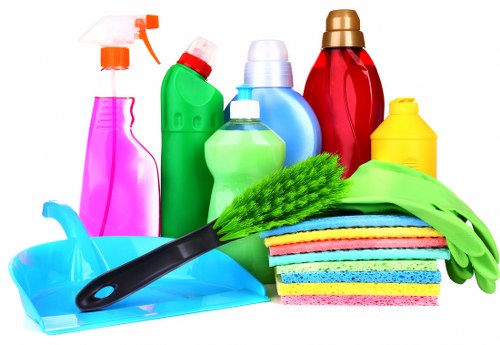
If you have never scheduled upholstery cleaning before, it helps to know what usually happens during a service. Most appointments begin with an inspection. The technician looks at the fabric type, condition, problem areas, and any labels or manufacturer instructions. This assessment helps decide the best cleaning technique and ensures the process is tailored to your furniture.
Next comes pre-treatment. Stains and heavy traffic areas may receive a special solution designed to loosen soil. After that, the technician may use steam extraction, low-moisture cleaning, or another appropriate method. The aim is to lift dirt while protecting the material. In many cases, furniture is left damp but not wet, allowing it to dry within a reasonable time depending on airflow and fabric thickness.
After cleaning, some services include grooming the fabric to restore texture and speed drying. The result should be a cleaner, fresher piece of furniture with reduced odors and improved appearance. Professional upholstery cleaning is often more noticeable than people expect because it removes buildup that daily maintenance cannot reach.
Questions worth asking before service
- What cleaning method is best for my fabric?
- How long will drying take?
- Will stains need special treatment?
- Are the products safe for children and pets?
- How often should this item be cleaned again?
Tips to Keep Upholstery Cleaner Between Deep Cleans
Good habits make a huge difference. Even the best upholstery cleaning results will not last long if furniture is exposed to constant dirt and spills without care. A few easy routines can help maintain a cleaner appearance and reduce the need for frequent deep cleaning.
Start with routine vacuuming. Use a soft brush attachment to remove dust, crumbs, and pet hair from seams and cushions. This prevents particles from settling deeper into the fabric. Another smart habit is limiting food and drink on heavily used seating when possible. While that is not always realistic, reducing spills can save time and money later.
Protective measures can also help. Throw blankets, washable covers, and fabric protectors may reduce everyday wear in busy homes. Rearranging cushions and rotating seating areas can distribute pressure more evenly. These small steps support upholstery cleaning efforts and keep furniture looking better longer.
Quick at-home upkeep checklist
- Vacuum regularly with the proper attachment.
- Blot spills immediately.
- Air out rooms to reduce trapped odors.
- Use removable covers where practical.
- Schedule periodic upholstery cleaning before problems build up.
Choosing the Right Upholstery Cleaning Service
When selecting a provider, quality matters. A reliable upholstery cleaning company should understand different textiles, offer the right cleaning options, and communicate clearly about what to expect. Experience is especially important because upholstery is more delicate than carpet and often requires greater care.
Look for a service that explains its process before beginning work. They should be able to tell you whether your furniture is suitable for steam cleaning, dry cleaning, or another method. Transparency, fabric knowledge, and attention to detail are all signs of a professional team. If you have pets, allergies, or delicate materials, mention those concerns in advance so the technician can plan accordingly.
Choosing the right upholstery cleaning service can save time, prevent damage, and deliver better results. If your furniture needs a refresh, contact us today and book your service now to help restore freshness, comfort, and appearance. Clean furniture can make your home feel more inviting right away.
Final thoughts on upholstery care
Upholstery cleaning is a practical way to protect your furniture, improve indoor comfort, and keep your living space looking its best. From stain removal and odor control to allergen reduction and fabric preservation, the benefits are both visible and long-lasting. With the right balance of routine maintenance and professional care, your sofas, chairs, and other upholstered items can stay attractive and comfortable for years.