Deep Cleaning in Homes and Businesses: A Practical, Professional Approach to a Cleaner Space
Deep cleaning is more than a quick tidy-up. It is the process of reaching the hidden dirt, buildup, and bacteria that regular cleaning often misses. Whether you are caring for a home, preparing a property for guests, or maintaining a professional space, deep cleaning helps create a healthier, fresher, and more comfortable environment. From baseboards and vents to kitchen grease and bathroom grime, deep cleaning targets the places that everyday routines usually overlook.
Many people think of deep cleaning as something only done seasonally or before a big event, but the benefits go far beyond appearances. A properly deep cleaned space can feel brighter, smell better, and support better hygiene. It can also improve the longevity of flooring, appliances, furniture, and fixtures. For anyone searching for deep cleaning in a way that fits both residential and commercial needs, understanding the process, benefits, and best practices is the first step toward getting lasting results.
In this article, we will explore what deep cleaning involves, why it matters, how often it should be done, and which areas deserve the most attention. You will also find practical advice for maintaining the results and choosing the right service for your property.
What Deep Cleaning Really Means

Deep cleaning goes beyond standard cleaning tasks such as sweeping, wiping counters, and emptying trash bins. It focuses on removing accumulated grime, dust, allergens, and residue from hard-to-reach or frequently ignored areas. When people look for deep cleaning in a home or office, they are usually aiming for a more intensive service that restores the space to a higher level of cleanliness.
Unlike routine cleaning, which is usually performed weekly or daily, deep cleaning is more detailed and time-consuming. It may involve scrubbing tile grout, disinfecting light switches, sanitizing appliances, cleaning behind furniture, washing trim, and tackling build-up in kitchens and bathrooms. A deep cleaning service is often the best choice when a space needs a reset, not just a surface refresh.
Deep cleaning can be customized depending on the property. A family home may need special attention in living areas, bedrooms, and high-traffic zones, while an office may require focus on shared desks, conference rooms, restrooms, and break areas. In either case, the goal is the same: thorough cleanliness that improves the overall environment.
Why Deep Cleaning Matters
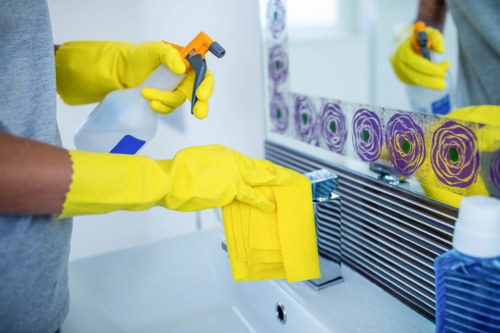
Deep cleaning matters because dirt and germs do not stay visible forever. Over time, dust settles in corners, grease hardens on surfaces, and bacteria can build up in places that are touched often. Even a tidy-looking room can contain hidden contaminants. That is why deep cleaning in residential and commercial spaces is so valuable—it addresses what the eye may not notice.
Another major reason deep cleaning matters is health. Allergens such as dust mites, pet dander, and mold spores can accumulate in carpets, upholstery, vents, and fabrics. A detailed cleaning process helps reduce these irritants and can make breathing easier for people with allergies or sensitivities. For households with children, elderly family members, or pets, this can be especially important.
There is also a psychological benefit. Clean, orderly spaces tend to feel more relaxing and easier to manage. Many people find that after a deep cleaning session, they feel more productive and less overwhelmed. Whether you are preparing for a new season, recovering from a busy period, or getting ready to host guests, deep cleaning can create an immediate sense of renewal.
Deep Cleaning vs. Regular Cleaning
Key Differences to Understand

Regular cleaning keeps a property presentable from day to day. It includes tasks like vacuuming, wiping surfaces, sweeping floors, and clearing clutter. Deep cleaning, on the other hand, targets the details that routine maintenance misses. It is more intensive, more thorough, and often more transformative. If regular cleaning is the maintenance phase, deep cleaning is the restoration phase.
One of the biggest differences is time. A regular cleaning visit may take an hour or two depending on the space, while deep cleaning can take several hours or even a full day. The extra time allows cleaners to reach under furniture, inside appliances, along edges, around fixtures, and other neglected areas. This is why deep cleaning in high-use spaces is often scheduled less frequently but has a bigger impact.
Another difference is the level of detail. For example, a routine kitchen clean might include wiping the counters and mopping the floor. A deep kitchen cleaning might include degreasing the stove, cleaning inside the oven, sanitizing cabinet fronts, wiping backsplash tile, and removing buildup around handles and knobs. The same concept applies throughout the home or business. Deep cleaning services are designed to go further.
Simple comparison
- Regular cleaning: keeps spaces neat and hygienic on a routine basis
- Deep cleaning: removes built-up dirt, grime, and hidden residue
- Regular cleaning: focuses on visible surfaces
- Deep cleaning: targets hard-to-reach and overlooked spots
Areas That Benefit Most from Deep Cleaning
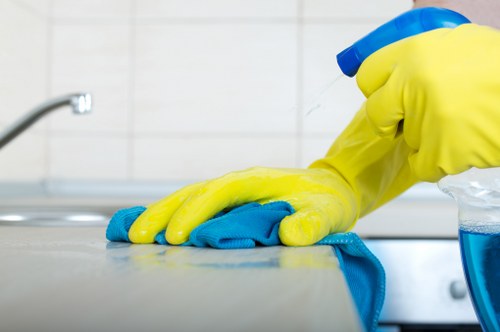
Some parts of a property need deeper attention than others. Kitchens and bathrooms are usually the top priorities because they are exposed to moisture, food residue, grease, soap scum, and frequent use. Bedrooms, living rooms, hallways, offices, and shared spaces also benefit from periodic deep cleaning because dust and debris can settle over time.
In the kitchen, deep cleaning may include appliances, cabinet fronts, sink drains, backsplash areas, and corners where crumbs and grease collect. In the bathroom, it may involve scrubbing tile, disinfecting fixtures, polishing glass, and removing soap buildup. When considering deep cleaning in a home, these areas are usually where the biggest visible and hygienic improvements happen.
Other often-overlooked locations include vents, ceiling fans, baseboards, window tracks, door frames, and behind large furniture. These spaces are easy to forget, yet they often hold dust and allergens that affect air quality and cleanliness. A detailed cleaning routine that includes these spots creates a much more complete result.
Common high-priority zones
- Kitchens and food preparation areas
- Bathrooms and washrooms
- Entryways and hallways
- Carpets, rugs, and upholstered furniture
- Behind and under appliances or furniture
- Shared office spaces and restrooms
How Often Should Deep Cleaning Be Done?

The ideal frequency for deep cleaning depends on how the space is used. A busy household with kids, pets, or frequent guests may need deep cleaning more often than a smaller, low-traffic home. Offices, retail spaces, and service locations may also require a different schedule based on foot traffic, hygiene standards, and industry expectations.
For most homes, a deep cleaning every three to six months is a common starting point. Some people prefer to schedule it seasonally, while others pair it with major events such as moving, renovating, or preparing for holidays. In commercial settings, deep cleaning may be done monthly, quarterly, or during scheduled maintenance windows. The more activity a space sees, the more often deep cleaning in that environment may be necessary.
It is also wise to schedule a deep clean after specific situations such as illness, water damage, smoke exposure, a large gathering, or a long period of neglect. In these cases, a detailed cleaning can help restore comfort and improve sanitation faster than routine cleaning alone.
Timing tips
- Use seasonal changes as a reminder to reassess cleaning needs
- Increase frequency in homes with pets or allergy concerns
- Schedule before and after major events
- Consider more frequent service in busy workplaces
What a Deep Cleaning Process Includes
A proper deep cleaning process is methodical. It starts with dust removal and clutter management, then moves into detailed sanitizing, scrubbing, and polishing. The exact checklist can vary depending on the property, but a strong process should cover all major zones and reveal the difference between a surface clean and a true reset. When people request deep cleaning in a home or office, they usually want a service that is structured and thorough from start to finish.
Typical tasks may include dusting high and low surfaces, cleaning light fixtures, disinfecting switches and handles, scrubbing bathroom tiles, washing baseboards, vacuuming under furniture, cleaning inside appliances, and sanitizing sinks and counters. Floors often receive extra care, and any buildup around edges or corners is carefully removed. In some settings, upholstery cleaning, carpet cleaning, and vent cleaning may also be part of the process.
Professional cleaners often follow a top-to-bottom method. This means starting higher up with shelves, fans, and light fixtures, then working down toward counters, furniture, and floors. This approach prevents dust from falling onto freshly cleaned surfaces. It also keeps the workflow efficient and helps deliver consistently strong results. Thorough deep cleaning depends on good sequencing as much as it depends on effort.
Typical deep cleaning tasks
- Dusting ceiling fans, vents, and light fixtures
- Cleaning baseboards, trim, and door frames
- Scrubbing bathrooms and disinfecting fixtures
- Degreasing kitchen surfaces and appliances
- Vacuuming and mopping floors in detail
- Wiping cabinets, shelves, and hidden corners
Benefits of Professional Deep Cleaning
Many property owners try to deep clean on their own, and that can certainly help. However, professional deep cleaning offers advantages that are difficult to match with a standard weekend effort. Trained cleaners bring experience, proper products, and efficient methods that allow them to reach better results in less time. They also know how to handle different materials safely, which helps protect surfaces from damage.
Another benefit is consistency. Professional teams use checklists and proven processes, so nothing important is missed. This matters in both homes and businesses, where details often make the biggest difference. A professional deep cleaning service can also remove stubborn buildup such as soap scum, grease, and embedded dirt that household products may not fully eliminate.
For businesses, professional deep cleaning can support a more polished appearance and a healthier environment for staff and visitors. For homeowners, it can reduce stress, save time, and create a more comfortable living space. In both cases, the value is clear: deep cleaning is not just about looking clean, but about feeling clean too.
How to Prepare for Deep Cleaning
Preparation helps make the process smoother and more effective. Before deep cleaning begins, it is helpful to declutter countertops, floors, and common areas. This gives cleaners better access to surfaces and reduces the time spent moving personal items. If you are arranging deep cleaning in a home, try to put away valuables, important documents, and fragile objects before the service begins.
Communication is also important. If there are certain areas you want prioritized, it is best to mention them in advance. This may include pet zones, stained carpets, kitchen appliances, bathrooms, or rooms that have gone a long time without a thorough clean. Clear expectations help ensure the service matches your needs.
Some surfaces may require special care. Marble, hardwood, stainless steel, natural stone, and certain fabrics each need the right products and methods. Sharing this information ahead of time can help avoid damage and improve the outcome. The more the service provider knows, the better the result is likely to be.
Preparation checklist
- Remove clutter from visible surfaces
- Put away personal and fragile items
- Identify problem areas that need extra attention
- Share material-specific care instructions
- Arrange access to all rooms and areas
Choosing the Right Deep Cleaning Service
Not all cleaning services offer the same level of detail, so it is important to choose carefully. A strong provider should clearly explain what is included, how long the work will take, and what kind of products or equipment they use. Transparency matters because deep cleaning in any setting should be tailored to the space, not treated as a one-size-fits-all job.
Look for experience with the type of property you own. Residential cleaning needs are different from office cleaning needs, and both differ from spaces such as rental properties or retail locations. It helps to choose a service that understands those differences and can adapt accordingly. A skilled team should also be able to explain which tasks are included and which might require additional service.
It is a good sign when a provider is willing to walk through the property or ask detailed questions before beginning. This suggests they care about accuracy and quality. Whether you need a one-time reset or recurring support, the right cleaning team can make the process easier and more effective.
What to look for
- Clear scope of work
- Experience with similar properties
- Safe and effective cleaning products
- Attention to detail
- Flexible scheduling options
Deep Cleaning Tips for Maintaining Results
Once the hard work is done, the next goal is keeping the space fresh for as long as possible. A few daily and weekly habits can help extend the results of deep cleaning. Simple actions such as wiping surfaces after use, vacuuming regularly, and addressing spills right away can prevent dirt from building up again too quickly. These habits are especially useful in busy homes and workplaces where activity is constant.
It also helps to break maintenance into small tasks. For example, you might wipe bathroom fixtures twice a week, clean kitchen appliances more often, and dust high-contact areas regularly. By staying consistent, you reduce the need for emergency cleaning and make the next deep cleaning session easier. In other words, routine care supports long-term cleanliness.
Air quality can also be improved by changing filters, airing out rooms, and reducing clutter that traps dust. If your property includes carpets or heavy fabric surfaces, regular vacuuming and spot treatment can keep them looking better between deeper cleans. The goal is to make deep cleaning in your space a powerful reset, not a constant recovery job.
Maintenance habits that help
- Wipe surfaces daily where needed
- Vacuum and mop on a regular schedule
- Clean spills and stains as soon as possible
- Rotate smaller cleaning tasks weekly
- Keep clutter under control
Why Deep Cleaning Is Worth the Investment
Some people hesitate to invest in deep cleaning because they see it as optional. In reality, it often saves time, supports health, and protects property value over the long term. Dirt, grease, and mineral buildup can damage surfaces if they are left unchecked. Regular deep cleaning can help prevent premature wear and keep materials in better condition.
There is also a practical return on investment. A cleaner environment is easier to maintain, more pleasant to use, and often more impressive to visitors, customers, or guests. For homeowners, this can support a better living experience. For businesses, it can contribute to a professional image and a more comfortable workplace. Deep cleaning in any setting is an investment in both appearance and function.
If your space feels dull, cluttered, or harder to maintain than it should, deep cleaning may be the reset it needs. The difference can be immediate and noticeable, especially when done thoroughly and on a consistent schedule. Contact us today to learn more about the right cleaning approach for your property, or book your service now to get started on a fresher, healthier space.
Final Thoughts on Deep Cleaning
Deep cleaning is one of the most effective ways to refresh a property, improve hygiene, and create a more comfortable atmosphere. It reaches the hidden dirt and buildup that routine cleaning often misses, making it valuable for homes, offices, and many other environments. Whether you need seasonal support, post-event cleanup, or a more detailed reset, deep cleaning delivers results that are both visible and lasting.
When done properly, it supports healthier living, better organization, and a more polished appearance. The process may require more time and effort than routine maintenance, but the payoff is substantial. For anyone considering deep cleaning in a home or business, the benefits make it well worth the attention.
With the right plan, the right methods, and the right service, you can enjoy a cleaner space that feels easier to maintain day after day. If you are ready for a noticeable improvement, now is the time to take the next step and make deep cleaning part of your property care routine.