Oven Cleaning in Modern Homes: Practical Methods, Benefits, and Maintenance Tips
Oven cleaning is one of those household tasks that many people postpone until grease, smoke, and burnt-on residue make it impossible to ignore. Yet regular oven cleaning does far more than improve appearance. It helps your appliance heat more evenly, reduces unpleasant odors, supports better-tasting meals, and can even extend the life of your oven. Whether you are a busy homeowner, a renter preparing for inspection, or someone trying to keep a kitchen hygienic, understanding the best approach to oven cleaning can save time and frustration.
In today’s kitchens, ovens work hard. They roast, bake, broil, and handle everything from weeknight dinners to holiday feasts. Over time, spills and splatters accumulate on racks, walls, trays, and glass doors. When that buildup is ignored, it can smoke, scorch, and create stubborn residue that becomes more difficult to remove. That is why consistent oven cleaning matters. It is not just about looks; it is about performance, safety, and cleanliness.
Many people search for oven cleaning solutions because they want a method that is effective without being overly harsh. Others look for ways to clean a dirty oven without damaging delicate surfaces or spending hours scrubbing. The good news is that there are several proven approaches, from natural cleaning methods to deep-cleaning techniques and professional services. The key is choosing the right method for the level of grime and the type of oven you have.
Why Oven Cleaning Matters for Every Kitchen
Regular oven cleaning supports a healthier and more efficient cooking environment. When grease and food residue build up, they can produce smoke during cooking, which affects flavor and air quality. Burnt spills also create unpleasant smells that can spread throughout the home. A clean oven, on the other hand, helps your meals taste better and keeps your kitchen fresher.
Another reason oven cleaning is important is energy efficiency. A heavily soiled oven may have to work harder to maintain the desired temperature. While the difference may seem small day to day, over time it can lead to less consistent cooking results and unnecessary strain on the appliance. Clean surfaces reflect heat more effectively, helping food cook evenly.
There is also the matter of safety. Thick grease buildup can become a fire risk, especially around heating elements, burners, or the oven floor. Even if a serious incident is unlikely, reducing flammable residue is simply a smart habit. Routine oven cleaning lowers that risk and gives you peace of mind whenever you use the oven.
Common Signs Your Oven Needs Cleaning
Some ovens quietly accumulate grime for months before the problem becomes obvious. However, there are clear signs that it is time for oven cleaning. Smoke during preheating or baking is one of the most noticeable indicators. If you see wisps of smoke or smell something burning even when you have not spilled anything recently, old residue may be the cause.
Another sign is uneven cooking. If your food is browning too quickly in one spot or taking longer than usual to finish, built-up residue may be interfering with heat circulation. A dirty oven door can also make it difficult to monitor food properly, especially if grease has clouded the glass. When that happens, many people overcook or undercook dishes simply because they cannot see inside clearly.
Sticky racks, crumb buildup, charred spots, and dark patches on the oven floor are all signs that a thorough oven cleaning session is overdue. If the oven smells unpleasant even when idle, that is another clue. The sooner you address these signs, the easier the cleaning process tends to be.
What to Look for Before You Start
Before beginning any oven cleaning task, inspect the appliance carefully. Check whether your oven has a self-clean setting, a steam-clean option, removable racks, or special interior coatings. Knowing the oven type helps you avoid using products or tools that could damage sensitive finishes. Always review the manufacturer’s instructions if you are unsure.
It is also wise to identify the level of buildup. Light residue may only require a gentle wipe-down, while baked-on grease could need a degreaser or a longer soaking period. Matching the method to the mess is the easiest way to make oven cleaning less exhausting and more effective.
Popular Oven Cleaning Methods That Work

There is no single best method for oven cleaning in every situation. Different ovens and levels of dirt call for different approaches. Some people prefer natural products like baking soda and vinegar because they are affordable and widely available. Others rely on commercial oven cleaners for faster results when grease has hardened into a tough layer.
A common natural method begins with a paste made from baking soda and water. This paste is spread over the interior surfaces and left to sit for several hours or overnight. Once it loosens the residue, it can be wiped away with a damp cloth. Vinegar is often used afterward to help remove remaining traces of the baking soda and leave the oven looking brighter. This approach is popular because it is simple and does not involve strong fumes.
Commercial cleaners can be effective for deep oven cleaning, especially when grease and carbon buildup are extensive. These formulas are designed to break down stubborn grime more quickly than DIY mixtures. However, they should be used carefully, with gloves and proper ventilation. It is especially important to avoid overusing aggressive chemicals on delicate or self-cleaning interiors.
Choosing the Right Product
When selecting an oven cleaning product, consider the type of mess, the sensitivity of the oven surface, and your personal preference for natural versus chemical-based solutions. Some products are specifically designed for glass doors, while others are better suited for metal racks and interior walls. Reading labels carefully can help you avoid mistakes and achieve better results.
For households that cook frequently, a combination approach may work best. Use a gentle maintenance cleaner for regular upkeep and save stronger methods for deeper monthly or seasonal oven cleaning sessions.
Step-by-Step Oven Cleaning Process
A structured process makes oven cleaning far less intimidating. The first step is to switch off the oven and allow it to cool completely. Safety should always come first. Next, remove racks, trays, thermometers, and any loose accessories. This gives you full access to the interior and makes every part easier to clean.
Once the oven is empty, remove loose crumbs and debris. You can use a soft brush, handheld vacuum, or dry cloth for this stage. After that, apply your chosen cleaning method. If you are using a baking soda paste, spread it evenly across the interior surfaces while avoiding heating elements, fans, or delicate seals. If you are using a commercial cleaner, follow the label instructions carefully and work in a ventilated area.
Allow the product or paste to sit long enough to soften the buildup. This is often the most important part of oven cleaning because dwell time helps reduce the amount of scrubbing needed. Afterward, wipe the interior using a damp microfiber cloth or sponge. Repeat as needed until the residue is gone. Finish by rinsing surfaces with clean water and drying them thoroughly before replacing the racks.
Helpful Cleaning Sequence
- Turn off and cool the oven.
- Remove racks and accessories.
- Clear loose crumbs and debris.
- Apply the chosen cleaning solution.
- Let it sit for the recommended time.
- Wipe, rinse, and dry the surfaces.
- Reassemble the oven and check for missed spots.
This simple sequence can turn a dreaded chore into a manageable task. With practice, oven cleaning becomes faster and more routine.
How to Clean Oven Racks and Trays
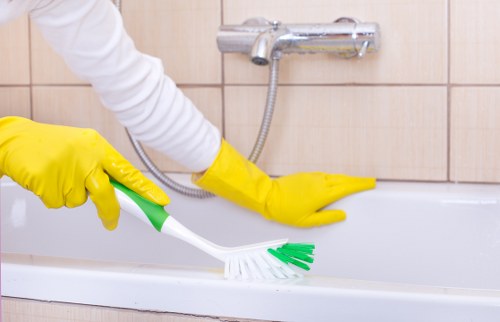
Racks and trays often collect thick layers of grease because they sit close to food and catch drips. Effective oven cleaning should always include these removable parts. A common method is to soak them in a bathtub or large sink filled with warm water and dish soap. For stronger buildup, baking soda or a small amount of degreasing cleaner can be added to the soak.
After soaking for several hours, scrub the racks with a non-abrasive pad or brush. This softens grease and makes removal easier. Avoid steel wool or harsh scrapers unless the manufacturer confirms they are safe for the finish. Once clean, rinse thoroughly and dry the racks before placing them back in the oven.
For trays with burnt-on food, try making a paste of baking soda and a little water. Apply it directly to the stained areas, let it sit, and then scrub gently. Patience is often more effective than force when it comes to oven cleaning. Repeating a gentle method can protect the surface while still removing stubborn marks.
Glass Doors Need Special Attention
The oven door, especially the glass panel, often becomes cloudy with grease and splatter. Use a soft cloth and a safe glass-cleaning method approved for oven use. Avoid spraying cleaners directly onto hot or electrical areas. If the glass has a heavy brown film inside the panes, check whether your door model allows safe disassembly or whether professional service is needed.
Keeping the glass clean is not just cosmetic. It helps you monitor your food without opening the door, which improves temperature stability and cooking accuracy.
Natural Oven Cleaning vs. Chemical Cleaning
There is ongoing debate about natural versus chemical oven cleaning, and both methods have strengths. Natural methods are favored by households that want a lower-fume, budget-friendly solution. Baking soda, vinegar, lemon, and hot water can handle moderate buildup and regular maintenance effectively. These ingredients are also easy to find and safe for many households when used correctly.
Chemical cleaners, meanwhile, are generally better for extreme buildup and time-sensitive jobs. When the oven has not been cleaned in months, a stronger product may save significant effort. The tradeoff is that these formulas often require more ventilation, protective gear, and careful handling. They may also need more thorough rinsing afterward.
The best choice depends on your priorities. If you clean often and prefer a low-odor method, a natural approach may be ideal. If your oven is heavily soiled, a more powerful option may be necessary. Many people alternate between both, using mild maintenance cleanings and reserving stronger oven cleaning products for deep-clean sessions.
Pros and Cons at a Glance
- Natural methods: safer-smelling, affordable, and gentle, but slower for heavy grease.
- Chemical methods: fast and effective for tough residue, but require caution and ventilation.
- Professional cleaning: ideal for severe buildup or busy households, though typically more expensive.
How Often Should You Clean Your Oven?
How often you need oven cleaning depends on cooking habits. If you bake and roast frequently, weekly wipe-downs and monthly deeper cleaning may be appropriate. For lighter use, a more occasional schedule may be enough. The most important thing is not to let grime sit for too long, because older residue becomes harder to remove.
A practical routine might include quick maintenance after messy meals and a deeper oven cleaning session every four to eight weeks. This helps prevent buildup from becoming overwhelming. If you notice spills immediately, wiping them after the oven cools can save a lot of work later. Consistency is one of the easiest ways to keep the process manageable.
Households with large families, frequent entertaining, or heavy baking needs may benefit from even more frequent attention. The more often the oven is used, the more often it should be inspected. Small habits, like placing a tray under bubbling dishes or lining shelves with manufacturer-approved accessories, can also reduce future cleaning time.
Maintenance Habits That Make a Difference
- Wipe spills once the oven has cooled.
- Use oven-safe trays to catch drips.
- Check the oven door and window regularly.
- Remove crumbs from the floor of the oven.
- Schedule periodic deep oven cleaning sessions.
Safety Tips for Effective Oven Cleaning
Safety should always be part of your oven cleaning routine. Never start while the oven is still hot. Heat can cause chemical cleaners to release strong fumes and can make surfaces difficult to handle. Always ensure the kitchen is ventilated, especially when using stronger products. Opening windows or turning on an exhaust fan can make a noticeable difference.
Wearing gloves is a smart precaution, particularly if you are using commercial cleaners or scrubbing for a long period. It protects your hands from irritation and improves grip on cloths and tools. You should also avoid mixing cleaning products, especially bleach and ammonia-based substances, because dangerous fumes may result. If you are uncertain about compatibility, use only one product at a time.
Finally, be careful around heating elements, fans, lights, and seals. These areas may be sensitive to moisture or abrasive tools. Gentle cleaning is often the safest cleaning. When in doubt, pause and check the manufacturer’s instructions. Taking extra care now can prevent costly repairs later.
Simple Safety Checklist
- Cool the oven completely before cleaning.
- Ventilate the room well.
- Wear protective gloves.
- Use only approved tools and products.
- Avoid mixing chemicals.
- Keep electrical parts dry.
When Professional Oven Cleaning Makes Sense
Although many homeowners can handle regular oven cleaning on their own, professional cleaning may be the better option in certain situations. If the oven has severe carbon buildup, persistent odors, or difficult-to-reach grime, a professional service can save time and deliver a deeper result. This is especially useful if the appliance has been neglected for a long period or if you simply do not have the time to do it yourself.
Professional oven cleaning is also worth considering for people who want minimal disruption. The process can be more efficient than spending an entire weekend scrubbing. Technicians often bring specialized products and tools that target hard grease without damaging the oven. For busy households, that convenience can be well worth it.
Some people also choose professional help when dealing with luxury ovens, older appliances, or self-cleaning models that require careful handling. If you are concerned about the finish, the glass, or the internal components, a trained service may reduce the risk of accidental damage. In those cases, booking a service now can be a smart investment in appliance care.
Signs You May Need Expert Help
- Smoke continues after repeated cleaning.
- Grease is baked onto multiple surfaces.
- The oven emits strong odors even when empty.
- There is visible damage or wear inside the cavity.
- You are unsure how to clean a specific oven model safely.
Best Practices to Keep Your Oven Cleaner for Longer
The easiest oven cleaning job is the one you do not have to repeat too often. That is why prevention matters. One of the best habits is cleaning small spills as soon as the oven cools. Fresh residue comes off much more easily than hardened grease. Another useful practice is to cover dishes that are likely to splatter, such as casseroles or roasts with high fat content.
Using baking sheets or oven-safe trays beneath dishes can also catch drips before they reach the bottom of the oven. Some people also line the lower rack with a manufacturer-approved mat or tray to reduce mess. Always confirm that any accessory is safe for your specific appliance model, because incorrect liners can affect airflow or damage heating components.
Routine inspection is also helpful. Take a moment every few uses to check the glass, racks, corners, and floor. If you notice small spots, address them quickly. Preventive care makes oven cleaning faster, easier, and less stressful. That simple mindset can help keep your kitchen cleaner all year.
Smart Habits for Everyday Use
- Wipe accidental spills right away.
- Use covered cookware when possible.
- Check the oven after high-splash recipes.
- Do light maintenance more often than deep scrubbing.
- Keep suitable cloths and cleaning supplies nearby.
Final Thoughts on Oven Cleaning
Oven cleaning may not be the most exciting household task, but it is one of the most valuable. A clean oven performs better, smells fresher, cooks more evenly, and creates a safer kitchen environment. Whether you use natural ingredients, stronger commercial cleaners, or professional help, the important thing is to stay consistent and choose a method that fits your needs.
By understanding the signs of buildup, selecting the right tools, and following a steady routine, you can keep your appliance in excellent condition without turning the process into a major project. Regular oven cleaning is a simple habit that pays off in better meals, less stress, and longer appliance life.
If your oven is overdue for attention, now is the perfect time to act. Contact us today to take the next step toward a cleaner, fresher kitchen, or book your service now if you want professional support that saves you time and effort.