End of Tenancy Cleaning: What Tenants and Landlords Need to Know
Understanding End of Tenancy Cleaning
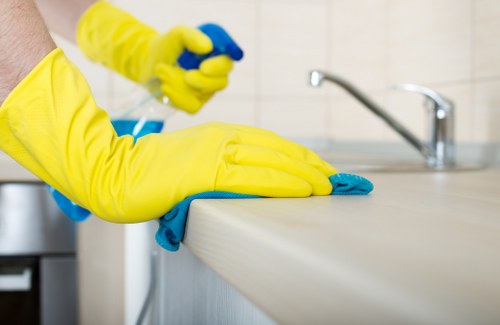
End of tenancy cleaning is one of the most important tasks at the end of a rental agreement. Whether you are a tenant preparing to move out or a landlord getting a property ready for new occupants, a proper clean helps ensure the space is left in excellent condition. In many cases, the quality of the end of tenancy cleaning can directly affect deposit returns, property inspections, and the speed at which a home is re-let.
Unlike routine weekly tidying, this type of cleaning is a deep and detailed process. It focuses on areas that are often overlooked during normal household chores, such as inside cupboards, behind appliances, skirting boards, light fittings, and bathroom fixtures. A thorough end of tenancy clean aims to restore the property as closely as possible to the condition it was in at the start of the tenancy, allowing for fair assessment during the final inspection.
Why it matters so much
The final condition of a rented property can influence whether deductions are made from the deposit. While fair wear and tear is expected, dirt, grime, and avoidable mess often lead to disputes. That is why many tenants choose professional end of tenancy cleaning services to reduce stress and improve the chances of a full deposit return.
What Makes End of Tenancy Cleaning Different?

Many people wonder why end of tenancy cleaning is treated differently from general house cleaning. The answer lies in the standard expected at move-out. When a tenancy ends, the property is typically inspected against an inventory report or check-in record. This means the home should be cleaned far more deeply than during day-to-day living.
For example, everyday cleaning might include vacuuming, wiping surfaces, and cleaning the bathroom. However, a proper end of tenancy clean also includes descaling taps, removing oven grease, cleaning door frames, washing interior windows, and sanitising high-touch areas. These details matter because they show the property has been cared for and left in a presentable condition.
Common expectations from landlords and letting agents
Different landlords and agencies may have different standards, but most expect the following:
- All rooms cleaned thoroughly, including corners and edges
- Kitchen appliances free from food residue and grease
- Bathrooms descaled and disinfected
- Carpets vacuumed or professionally cleaned if required
- Floors mopped and hard surfaces polished
- Bins emptied and waste removed
Meeting these expectations can make a major difference during the final handover. A clean property looks more appealing, creates a positive impression, and helps avoid unnecessary arguments over condition.
Benefits of Professional End of Tenancy Cleaning

Hiring a professional team for end of tenancy cleaning offers several benefits. First and foremost, it saves time. Moving house is already stressful, with packing, transport, paperwork, and utilities to manage. Adding a deep clean to the list can feel overwhelming, especially when the property is large or heavily used.
A professional service brings experience, specialist products, and a structured approach. Cleaners know exactly where dirt accumulates and how to remove stubborn marks efficiently. This often results in a better finish than a quick do-it-yourself attempt. For tenants, that can mean a smoother final inspection and a lower risk of deposit deductions.
Professional cleaning can also be useful for landlords and property managers. After a tenant leaves, the property needs to be ready for the next occupant quickly. A reliable end of tenancy cleaning service helps ensure the home is hygienic, attractive, and ready for viewing or move-in without delay.
Key advantages at a glance
- Time-saving and convenient
- Thorough and detailed results
- Reduced risk of deposit disputes
- Better presentation for new tenants
- Access to professional equipment and detergents
What Is Usually Included in an End of Tenancy Clean?
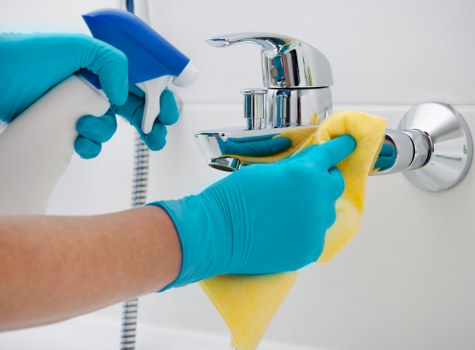
A full end of tenancy cleaning service usually covers every room and many hidden areas. The exact checklist may vary depending on the provider, but a standard package often includes the kitchen, bathrooms, bedrooms, living spaces, hallways, and communal areas.
The kitchen is often the most labour-intensive area because of grease, food residue, and appliance buildup. Cleaners usually focus on degreasing the oven, wiping cabinet fronts, cleaning splashbacks, polishing sinks, and sanitising worktops. Bathrooms require descaling, scrubbing grout, disinfecting toilets, and removing soap scum from glass and tiles.
Other common tasks include dusting skirting boards, wiping sockets, cleaning light switches, vacuuming carpets, mopping floors, and washing internal windows where accessible. Some companies also offer extras such as upholstery cleaning, fridge defrosting, and carpet steam cleaning. These add-ons can be especially helpful when trying to meet strict move-out requirements.
Typical checklist for tenants and landlords
- Oven and hob degreasing
- Fridge, freezer, and microwave cleaning
- Cabinet and drawer interior wiping
- Bathroom limescale removal
- Dusting furniture, shelves, and fixtures
- Window ledges, frames, and sills cleaning
- Vacuuming carpets and rugs
- Mopping hard floors
- Cleaning marks from walls where possible
How to Prepare for End of Tenancy Cleaning
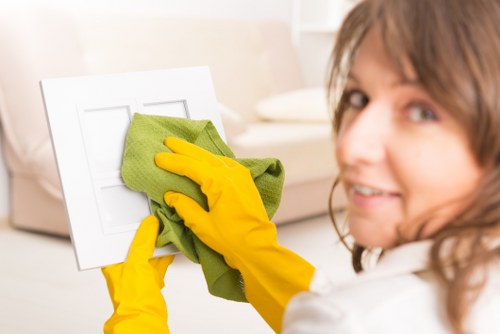
Preparation plays a huge role in the success of end of tenancy cleaning. Before starting, it is wise to remove all personal belongings from the property. Cleaners work more effectively in an empty space, and this also prevents items from being missed or accidentally damaged. If you are handling the cleaning yourself, clearing out the home first will make the process much easier.
It is also helpful to check your tenancy agreement. Some contracts contain specific clauses about professional carpet cleaning, garden maintenance, or appliance cleaning. Understanding these requirements early can help you avoid issues later. If you are unsure, compare the property’s current condition with the original inventory report and note areas that need extra attention.
Another smart step is to gather the right supplies if you plan to clean yourself. Microfibre cloths, a powerful vacuum, a mop, descaling spray, degreaser, glass cleaner, and disinfectant can all make a difference. For stubborn stains, you may need specialist products or equipment. In some cases, booking professional end of tenancy cleaning is the simplest and most cost-effective choice.
Before the clean begins
- Remove furniture, boxes, and personal items
- Defrost the freezer if needed
- Disconnect or prepare appliances safely
- Open windows for ventilation
- Photograph the property condition for records
- Confirm the inspection date and deadline
DIY or Professional Service: Which Is Better?
Deciding between a DIY approach and hiring a professional for end of tenancy cleaning depends on your budget, time, and the condition of the property. A do-it-yourself clean can be suitable for smaller homes or tenants who have maintained a high level of cleanliness throughout the tenancy. However, it can also become time-consuming and physically demanding.
Professional cleaners offer convenience and a higher chance of meeting landlord standards. They usually work from a checklist and know how to tackle difficult areas such as ovens, limescale, grout, and grease buildup. If the tenancy agreement is strict, or if the property has not been cleaned regularly, expert help may be worth the investment.
In many situations, the decision comes down to risk. If spending a little more on end of tenancy cleaning services could save your deposit, then professional support may be the smarter option. On the other hand, if the property is already in excellent condition, a diligent DIY clean may be enough.
Factors to consider
- Size of the property
- Amount of dirt and buildup
- Time available before move-out
- Cleaning experience and equipment
- Deposit amount at stake
For busy tenants
When time is limited, professional cleaning can remove a major source of stress. Instead of rushing between moving boxes and scrubbing surfaces, you can focus on relocation logistics while experts handle the detailed cleaning.
End of Tenancy Cleaning and Deposit Returns
One of the biggest reasons people book end of tenancy cleaning is to improve their chances of getting a full deposit back. Deposits are often held to cover unpaid rent, damage, or excessive cleaning needs. If the property is left dirty, landlords may arrange their own cleaners and deduct the cost from the tenant’s deposit.
That said, not every mark or imperfection will count against you. Fair wear and tear is part of normal living, and this includes minor scuffs or light fading over time. The issue arises when dirt, grease, mould, or neglect make the property unsuitable for immediate reoccupation. A well-executed clean helps distinguish between acceptable wear and avoidable mess.
To protect your deposit, it is a good idea to document everything. Take photos before and after cleaning, keep receipts for any professional end of tenancy cleaning, and make sure all agreed tasks are completed. If possible, arrange a pre-check with the landlord or letting agent to address concerns before the final inspection.
How to reduce disputes
- Follow the inventory report carefully
- Clean to a high standard in all rooms
- Keep proof of professional cleaning
- Repair small issues where allowed
- Leave the property empty and tidy
Room-by-Room Cleaning Priorities
Different rooms require different levels of attention during end of tenancy cleaning. A room-by-room plan helps ensure nothing is missed. Starting with the kitchen is often a smart move because it usually takes the longest. After that, bathrooms, living rooms, and bedrooms can be completed in a logical order.
In the kitchen, focus on the oven, stove, extractor fan, sink, cupboards, backsplash, and appliances. In bathrooms, prioritise limescale removal, sanitisation, and glass cleaning. Bedrooms should be dusted from top to bottom, including wardrobes and drawers. Living rooms often need skirting boards, shelves, windows, and floors cleaned carefully.
This structured approach helps maintain quality and keeps the process manageable. If you are using a professional end of tenancy cleaning company, the team will likely follow a similar workflow to make sure the property is treated efficiently and consistently.
Suggested order of work
- Declutter and remove rubbish
- Clean kitchen appliances and surfaces
- Scrub bathrooms and toilets
- Dust all furniture and fittings
- Vacuum carpets and rugs
- Mop hard flooring
- Finish with windows, mirrors, and final touch-ups
Small details that matter
Do not forget door handles, switches, light fittings, vents, and the tops of cupboards. These areas may seem minor, but they can affect how clean the property appears during inspection.
Special Attention Areas in End of Tenancy Cleaning
Some areas are especially important because they collect grease, dust, or moisture. These can become problem spots if ignored. For example, ovens and extractor fans often require heavy-duty degreasing, while bathrooms may need repeated descaling to remove mineral buildup. Windows, blinds, and curtains also need attention because they can hold dust and affect the overall appearance of the property.
Carpets are another major consideration. Many landlords expect them to be cleaned professionally if they were provided at the beginning of the tenancy. Even if this is not mandatory, a clean carpet can improve the presentation of the entire home. Smells, pet hair, and visible stains are all easier to manage with a proper carpet treatment as part of end of tenancy cleaning.
Remember that odors matter too. A property may look clean but still feel uninviting if it smells of smoke, pets, or leftover cooking. Ventilation, deodorising, and thorough fabric cleaning can make a big difference to the final impression. In many cases, this attention to detail is what separates an average clean from an excellent one.
High-priority zones
- Ovens and hobs
- Bathrooms and shower screens
- Carpets and rugs
- Windows and glass surfaces
- Air vents and extractor fans
- Under furniture and appliances
Choosing the Right End of Tenancy Cleaning Service
If you decide to hire a provider, it is important to choose a reliable and experienced team. Not all services offer the same level of detail, so look for one that understands rental expectations and offers a clear checklist. A reputable end of tenancy cleaning service should be transparent about what is included, what costs extra, and whether re-cleaning is available if the landlord raises concerns.
Reading the service description carefully can prevent confusion later. Some companies offer a deposit-back guarantee or a free re-clean within a certain period, which can provide added peace of mind. Others may specialise in specific property sizes or add-on services such as carpet shampooing or appliance restoration. The best choice is usually the one that matches your property’s needs and the requirements of your tenancy agreement.
It is also sensible to ask whether the team brings their own supplies and equipment. Professional-grade tools often produce better results than basic household products. This is especially true for grease, limescale, and heavy dirt. A good provider should make the end of tenancy clean as seamless and efficient as possible.
What to look for
- Clear checklist and service scope
- Experience with rental properties
- Flexible booking and reliable timing
- Quality cleaning materials and tools
- Optional extras for carpets or appliances
Value versus price
Cheapest is not always best. A slightly higher cost may be worth it if the provider is thorough, dependable, and focused on the standards needed for a successful inspection.
Final Thoughts on End of Tenancy Cleaning
End of tenancy cleaning is more than just a finishing touch. It is a practical step that supports smooth moving, good property management, and fair deposit handling. For tenants, it can help reduce the risk of deductions and make the move-out process less stressful. For landlords, it ensures the property is ready for the next occupant without unnecessary delay.
Whether you choose to handle the work yourself or hire professionals, the goal is the same: leave the property clean, presentable, and ready for inspection. Paying attention to detail, following a checklist, and addressing the most demanding areas will always deliver better results than a rushed clean. With the right approach, end of tenancy cleaning becomes a manageable part of moving rather than a last-minute headache.
If you are preparing to move, now is the ideal time to plan ahead. Make a checklist, review your tenancy agreement, and decide whether a DIY effort or expert support is the best fit. Contact us today or Book your service now to make your move-out easier, cleaner, and far more efficient.