Carpet Cleaning in Modern Homes and Businesses: A Practical Approach to Fresh, Healthy Floors
Carpet cleaning is one of the most important parts of maintaining a clean, comfortable, and healthy indoor environment. Whether you manage a busy office, own a rental property, or simply want your home to feel fresher, carpet cleaning plays a major role in appearance, hygiene, and long-term flooring care. Carpets act like filters, trapping dust, allergens, spills, pet hair, and everyday debris. Over time, that buildup can affect air quality, create unpleasant odors, and wear down carpet fibers faster than expected.
For many households and businesses, professional carpet cleaning is not just about appearance. It is also about protecting an investment and supporting a healthier space. A well-planned carpet cleaning service can help restore the softness and color of flooring while removing hidden dirt that vacuuming alone cannot reach. With the right methods and regular maintenance, carpets can remain attractive, durable, and welcoming for years.
In this article, we will explore the benefits, methods, scheduling strategies, stain removal basics, and practical tips that make carpet cleaning more effective. You will also learn how to choose the right service, how often carpets should be cleaned, and how to keep them looking their best between appointments.
Why Carpet Cleaning Matters for Every Property
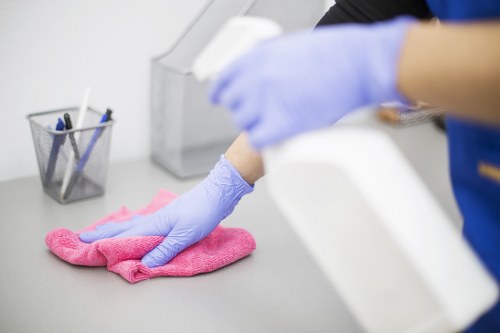
Carpets collect far more than visible dirt. Dust mites, pollen, food crumbs, pet dander, and microscopic particles settle into carpet fibers throughout the day. Even with regular vacuuming, some contaminants remain trapped deep inside the pile. That is why professional carpet cleaning is so valuable: it removes embedded debris and refreshes the carpet beyond what routine care can accomplish.
A clean carpet also improves the overall look of a room. Faded traffic lanes, dull colors, and visible stains can make an otherwise well-kept space feel neglected. Fresh carpet cleaning restores visual appeal, which is especially important in homes with guests, offices with clients, or rental properties where first impressions matter.
Another major benefit is odor control. Carpets can absorb smells from pets, cooking, smoke, moisture, and everyday living. Regular carpet cleaning helps neutralize those odors rather than simply masking them. The result is a cleaner, lighter indoor atmosphere that feels more comfortable for everyone.
The Health Benefits of Professional Carpet Cleaning
Many people think of carpet cleaning as a cosmetic service, but it also supports healthier indoor air. Carpets can hold allergens and irritants that circulate when people walk across the floor. This can be a concern for households with children, older adults, pets, or anyone sensitive to dust and pollen. Deep carpet cleaning helps reduce the buildup of these particles and can make indoor spaces feel fresher and easier to breathe in.
Homes with pets often need more frequent carpet care because fur, dander, tracked-in dirt, and occasional accidents can quickly affect cleanliness. In these situations, pet-friendly carpet cleaning methods may be especially useful. They help remove stains and odors without leaving behind harsh residues that could irritate pets or people.
For businesses, the health aspect is just as important. Offices, lobbies, and shared commercial spaces experience heavy foot traffic every day. Dirt brought in from outside can settle into carpets and spread through the building. Routine carpet cleaning supports a tidier, healthier workplace and can contribute to a more professional environment overall.
Common Carpet Cleaning Methods Explained
Different carpets and soil levels require different approaches. Understanding the main carpet cleaning methods can help you decide what suits your property best. The most effective option depends on the carpet material, the type of dirt involved, and how quickly the area needs to dry.
Hot water extraction, often called steam cleaning, is one of the most widely used methods. It uses heated water and cleaning solution to loosen grime, followed by powerful extraction equipment to remove dirt and moisture. This method is popular because it reaches deep into the fibers and is effective for most residential carpet cleaning needs.
Dry carpet cleaning uses minimal moisture and specialized compounds to absorb and lift dirt. This can be useful when fast drying is important, such as in commercial spaces or high-traffic areas. Bonnet cleaning, another low-moisture option, is often used for surface-level maintenance in business settings. Choosing the right method matters because not every carpet responds the same way to moisture, heat, or agitation.
Hot Water Extraction
Hot water extraction remains a top choice for deep carpet cleaning because it penetrates into the pile and removes grime from below the surface. It is especially effective when carpets have been exposed to heavy traffic, spills, or long-term buildup. Many homeowners prefer this option when they want a noticeably fresher result.
This method can also help reduce allergens and stubborn odors. Because the process flushes contaminants out of the carpet rather than just moving them around, it often delivers a more thorough clean than simple surface treatments. When performed correctly, it is suitable for many residential and commercial carpets.
It is important, however, to allow proper drying time after hot water extraction. Good ventilation, careful moisture control, and professional equipment help prevent lingering dampness. A trusted carpet cleaning provider will evaluate carpet type and condition before recommending the best technique.
Dry and Low-Moisture Cleaning
Dry carpet cleaning works well when time is limited or when moisture exposure should be minimized. Since it uses less water, carpets can often be used again sooner. This makes it appealing for offices, hospitality spaces, and homes where convenience is a priority.
Low-moisture carpet cleaning can also be helpful for delicate materials that do not tolerate heavy saturation. While it may not always provide the same deep extraction as hot water methods, it offers a practical solution for regular upkeep and quick refreshes between full cleanings.
How Often Should Carpet Cleaning Be Done?
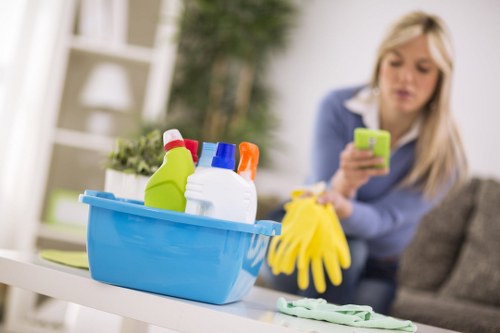
The ideal carpet cleaning schedule depends on several factors, including foot traffic, pets, children, allergies, and the type of property. In many homes, professional carpet cleaning every 12 to 18 months is a common recommendation. However, households with pets, frequent guests, or heavy use may benefit from more frequent service.
Commercial carpet cleaning usually follows a tighter schedule because businesses handle more traffic and wear. Offices, retail stores, hotels, and public-facing spaces may need cleaning every few months or even more often in certain areas. Entryways, hallways, and reception zones tend to collect soil quickly and should be treated with extra attention.
Rather than waiting until carpets look dirty, it is better to plan cleaning proactively. Regular maintenance helps prevent stains from setting, reduces deep buildup, and keeps carpets looking presentable throughout the year. A consistent schedule also tends to extend carpet life, which can save money over time.
Stain Removal and Spot Treatment Tips
Spills happen, but quick action can make a major difference. Carpet stains become harder to remove when they sit too long, so the first step is always to blot the area gently with a clean cloth. Avoid rubbing, since that can push the stain deeper into the fibers and spread it outward.
For many common household spills, a simple mixture of mild detergent and water may help lift residue. It is always wise to test any cleaning solution on a small hidden area first. If the carpet is wool, silk, or another delicate fiber, using the wrong product can cause damage or discoloration. That is why careful stain treatment is so important in carpet cleaning.
Some stains require professional attention, especially if they involve wine, ink, grease, pet accidents, or unknown substances. In those cases, attempting multiple DIY methods may make the problem worse. A skilled carpet cleaning technician can identify the stain type and apply the appropriate treatment for a better result.
Useful Spot Treatment Habits
- Blot immediately with a clean, absorbent cloth
- Use cool or lukewarm water for many fresh spills
- Avoid harsh scrubbing that can fray fibers
- Work from the outside of the stain inward
- Dry the area thoroughly after treatment
Carpet Cleaning for Homes: What to Expect

Residential carpet cleaning usually starts with a room-by-room assessment. The technician checks carpet type, soil level, stains, and any areas that need special care. This inspection helps determine the most suitable method and cleaning solution. In many cases, furniture may be moved, edges may be vacuumed, and heavily soiled areas may receive pre-treatment before the main cleaning begins.
Homeowners often appreciate how much brighter and softer carpets feel after a proper deep clean. The difference can be especially noticeable in living rooms, bedrooms, and hallways that experience daily wear. A thorough home carpet cleaning can make the entire house feel fresher and more inviting.
After cleaning, drying time depends on the method used, humidity, airflow, and carpet thickness. Opening windows, running fans, and improving ventilation can speed the process. Once dry, carpets usually look cleaner, smell fresher, and feel more comfortable underfoot.
Commercial Carpet Cleaning for Busy Properties
Commercial spaces often require a different strategy than homes. Business carpets face constant foot traffic, spills, tracked-in debris, and pressure from rolling chairs or equipment. Because appearance affects brand perception, commercial carpet cleaning is an essential part of property maintenance.
Many businesses schedule cleaning outside of operating hours to reduce disruption. Some also divide the property into zones so that high-traffic areas can be treated more frequently than low-use spaces. This approach keeps the entire environment looking consistent while managing budgets efficiently.
Commercial cleaning plans often include stain prevention, spot treatment, deodorizing, and targeted maintenance. These services help extend carpet life and reduce the need for costly replacement. For offices, retail spaces, and hospitality settings, regular carpet care supports both cleanliness and professionalism.
Benefits for Businesses
- Improves first impressions for visitors and clients
- Helps reduce allergens and dust buildup
- Supports a cleaner, more polished workplace
- Can extend the lifespan of flooring materials
- Helps manage odors in high-use areas
Choosing the Right Carpet Cleaning Service
Not all providers offer the same level of experience, equipment, or attention to detail. When selecting a carpet cleaning service, look for a company that understands different fiber types, stain categories, and maintenance needs. The best professionals will inspect the carpet first and explain which method is likely to deliver the best outcome.
It also helps to ask about products and cleaning standards. If you have children, pets, or sensitivities, you may want a service that uses low-odor or eco-conscious cleaning solutions. Many customers value green carpet cleaning options because they support a cleaner indoor environment while reducing exposure to harsh chemicals.
Transparency matters as well. A reliable carpet cleaning provider should explain what is included, how long the process will take, and what kind of drying time to expect. Clear communication helps you plan around the service and ensures fewer surprises.
What to Look For
- Experience with both residential and commercial carpet cleaning
- Knowledge of stain and fiber-specific treatment methods
- Modern, well-maintained equipment
- Clear service process and realistic drying expectations
- Flexible options for different property types
Carpet Maintenance Between Professional Cleanings
Keeping carpets in good condition between service appointments is easier when you follow a few simple habits. Regular vacuuming is the foundation of carpet maintenance because it removes loose dirt before it sinks deeper into the fibers. High-traffic areas may need vacuuming several times per week, while less-used rooms may need less frequent care.
Placing mats at entrances can help reduce the amount of soil tracked indoors. Removing shoes indoors may also make a noticeable difference, especially in homes with light-colored carpet. These small habits reduce wear and help preserve the results of each carpet cleaning appointment.
Spill response is another key part of maintenance. The faster you address accidents, the easier they are to remove. Keeping a simple cleaning kit on hand with clean cloths, mild detergent, and white towels can help you handle minor issues before they turn into permanent stains. Routine carpet care is one of the best ways to protect your investment.
Eco-Friendly Carpet Cleaning Options
More homeowners and businesses are looking for environmentally conscious cleaning solutions. Eco-friendly carpet cleaning focuses on reducing harsh chemical use, lowering waste, and using efficient equipment that conserves water where possible. These options can be attractive for families, pet owners, schools, and workplaces that prioritize healthier indoor spaces.
Many modern cleaning systems now combine strong soil removal with safer product choices. This does not mean sacrificing performance. In fact, a carefully chosen eco-friendly carpet cleaning method can still achieve excellent results when paired with skilled application and proper extraction.
If sustainability is important to you, ask about biodegradable solutions, low-moisture systems, and methods that reduce residue. The right approach should balance effectiveness, safety, and long-term carpet protection. Cleaner carpets do not have to come at the expense of indoor comfort or environmental awareness.
Practical Eco-Friendly Ideas
- Use entry mats to reduce soil buildup
- Vacuum regularly with a high-efficiency filter
- Choose low-residue cleaning solutions when possible
- Schedule cleanings based on actual use, not guesswork
- Air out rooms after cleaning to support faster drying
Why Regular Carpet Cleaning Extends Carpet Life
Carpet fibers experience daily friction from footsteps, furniture movement, and embedded grit. When dirt remains trapped inside the pile, it can behave like sandpaper and slowly wear down the material. This is one of the biggest reasons regular carpet cleaning helps preserve carpet life.
By removing abrasive particles, cleaning reduces stress on the fibers and helps the carpet maintain its texture and appearance longer. This is true for both residential carpet cleaning and commercial carpet cleaning. The cleaner the carpet stays, the better it performs over time.
Think of carpet maintenance as preventive care. Just as regular servicing helps keep a vehicle running well, consistent carpet cleaning helps flooring remain attractive and functional. Over time, that can delay replacement and lower long-term costs. Prevention is almost always more cost-effective than replacement.
Final Thoughts on Carpet Cleaning
Carpet cleaning is about much more than removing visible dirt. It supports a healthier indoor environment, improves appearance, helps control odors, and protects your flooring investment. Whether you need residential carpet cleaning, commercial maintenance, stain treatment, or eco-friendly options, the right approach can make a meaningful difference.
With regular vacuuming, quick spill response, and scheduled professional care, carpets can stay cleaner and last longer. A thoughtful maintenance plan helps rooms feel fresher and look more inviting, while also reducing the buildup of allergens and hidden grime. For many properties, that makes carpet cleaning an essential part of ongoing upkeep.
If your carpets are overdue for attention, now is the time to take action. Contact us today to learn more about your options, or book your service now and give your carpets the deep clean they deserve.