Communal Area Cleaning: Creating Safer, Cleaner, and More Welcoming Shared Spaces
Communal area cleaning is one of the most important services for keeping shared residential, commercial, and mixed-use spaces safe, hygienic, and pleasant. Whether it is a block of flats, an apartment building, a student accommodation, an office complex, or a managed housing development, the condition of shared areas has a direct impact on first impressions, health standards, and day-to-day comfort. When communal areas are cared for properly, residents, visitors, and staff all benefit from a cleaner environment and a stronger sense of pride in the property.
In today’s fast-paced world, expectations around communal area cleaning are higher than ever. People want entrances that feel inviting, hallways that are dust-free, stairwells that are safe, lifts that are polished, and shared touchpoints that are sanitised regularly. A well-planned cleaning routine does more than improve appearances; it supports hygiene, reduces complaints, and helps preserve the value of the building over time. For property managers and residents alike, effective communal area cleaning is not a luxury—it is a necessity.
As shared environments continue to be used by many people every day, the need for consistent cleaning becomes even more evident. Dirt builds up quickly in high-traffic zones, and missed tasks can lead to unpleasant odours, grime, pest issues, and even safety hazards. That is why professional communal area cleaning should be approached strategically, with attention to detail, reliable scheduling, and a clear understanding of the unique needs of each property.
What Communal Area Cleaning Involves

Communal area cleaning refers to the maintenance of shared spaces that are used by multiple occupants or visitors. These areas are typically found in residential buildings, commercial premises, managed estates, and mixed-use developments. The work usually includes floors, walls, windows, lifts, staircases, door handles, entrance mats, mail areas, and other regularly touched or visible surfaces.
The specific cleaning tasks can vary depending on the type of building and the amount of foot traffic. In a small residential block, the focus may be on stairwell cleaning, lobby tidiness, and bin store hygiene. In a larger development, communal area cleaning may also include internal glazing, cycle storage areas, car park entrances, and periodic deep cleaning. A tailored approach ensures that no part of the shared environment is overlooked.
It is also important to recognise that communal area cleaning is not just about appearance. It supports infection control, improves safety by reducing slip hazards, and helps create a more respectful shared environment. When communal spaces are consistently maintained, people are more likely to treat them with care, which can reduce damage and unnecessary wear.
Why Communal Area Cleaning Matters
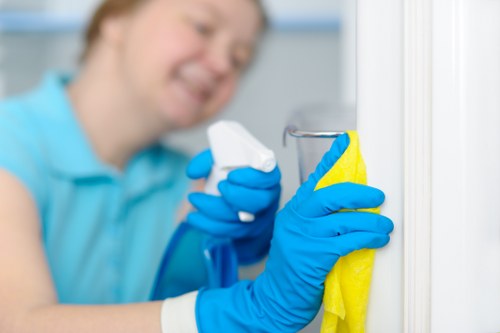
There are many reasons why communal area cleaning should be a priority for any property manager or building owner. The most obvious is cleanliness, but the benefits extend far beyond a tidy appearance. Clean communal spaces contribute to a healthier atmosphere, a more professional image, and a better overall experience for everyone who uses the building.
From a health perspective, shared environments can become breeding grounds for germs if they are not cleaned frequently. Door handles, elevator buttons, bannisters, and buzzer panels are all high-contact points that can collect bacteria and viruses. Regular communal area cleaning helps reduce the spread of illness, especially in places where people live close together or pass through frequently.
From a practical standpoint, communal area cleaning can also protect the building itself. Dirt, moisture, and debris can damage flooring, stain surfaces, and accelerate deterioration. Over time, a neglected entrance or stairwell may require expensive repairs or refurbishment. Routine cleaning is a cost-effective way to preserve property value and extend the life of internal finishes.
Creating a Better First Impression
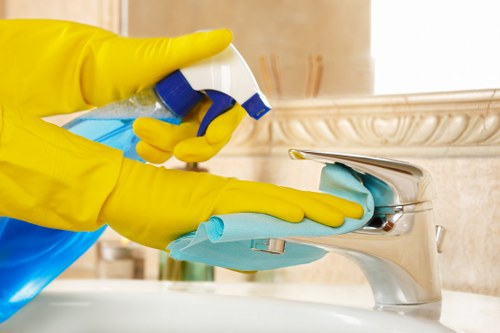
Shared areas are often the first places that residents, guests, clients, and contractors see. An untidy hallway or dirty entrance can create a negative impression immediately, while a fresh, polished space communicates care and professionalism. This is especially important in managed apartment blocks, where the appearance of communal areas reflects directly on the quality of the property.
First impressions matter in both residential and commercial settings. For landlords and managing agents, dependable communal area cleaning can help demonstrate that the building is well-run and responsibly maintained. For residents, it helps build pride in their home and encourages considerate use of shared amenities. For businesses, it supports brand image and visitor confidence.
As a result, communal area cleaning is closely linked to satisfaction, retention, and reputation. A clean building feels more secure, more welcoming, and more valuable. In many cases, it also reduces disputes among residents because standards are clear and consistently upheld.
Key Areas Covered in Communal Area Cleaning
Effective communal area cleaning usually covers a wide range of spaces and touchpoints. The exact scope depends on the property, but the most common areas include:
- Entrances and lobbies – sweeping, mopping, dusting, and sanitising high-touch surfaces
- Staircases and landings – vacuuming, polishing handrails, and removing dirt build-up
- Lifts and lift lobbies – cleaning buttons, mirrors, flooring, and doors
- Corridors and hallways – dust removal, floor care, and spot cleaning walls
- Mail areas – tidying, wiping surfaces, and keeping noticeboards clean
- Bin stores and refuse areas – waste control, spill cleanup, and odour reduction
- Shared glazing and internal windows – smudge removal and clear presentation
- Car park entrances and access points – sweeping and removing litter where applicable
Some buildings require additional services such as external pressure washing, periodic deep cleaning, or sanitisation after refurbishment works. A proper communal area cleaning schedule should reflect the property’s usage patterns and any known problem areas. The more detailed the cleaning plan, the more consistent the results.
The Benefits of Professional Communal Area Cleaning
Hiring professionals for communal area cleaning offers several advantages over ad hoc or inconsistent maintenance. Trained cleaners understand how to work efficiently in shared environments, how to prioritise high-risk touchpoints, and how to deliver reliable results without disrupting residents or tenants.
One major benefit is consistency. Professional teams follow set routines, which means nothing is forgotten and standards remain stable. This is particularly valuable in larger buildings, where relying on informal cleaning arrangements can quickly lead to uneven results. Consistency is one of the biggest strengths of professional communal area cleaning, because shared spaces need regular attention to stay presentable.
Another benefit is expertise. Professional cleaners know which products and methods are suitable for different surfaces, whether it is vinyl flooring, polished tiles, glass, stainless steel, or painted walls. Using the wrong chemical or cleaning method can cause damage, so experienced cleaning staff are an asset to any property.
Professional services also help improve compliance with hygiene expectations. In buildings with many occupants or public access, cleanliness standards matter. A structured cleaning programme can reduce complaints, support health and safety requirements, and create documented evidence of regular maintenance.
Reducing Complaints and Improving Resident Satisfaction
In residential properties, many complaints are related to cleanliness. Residents may notice litter in the lobby, marks on walls, dirty stair edges, or overflowing bins long before management does. When communal area cleaning is handled properly, these issues are addressed before they become sources of frustration.
Clean shared spaces can also improve neighbour relations. People are more likely to respect their surroundings when the environment feels looked after. This can reduce careless behaviour, improve shared responsibility, and create a more cooperative atmosphere within the building.
For landlords and managing agents, this means less time spent dealing with avoidable issues and more time focusing on long-term property care. For residents, it means a more pleasant living environment. The impact of good communal area cleaning often reaches beyond hygiene and into the overall quality of life.
How Often Should Communal Area Cleaning Be Done?
The ideal frequency for communal area cleaning depends on foot traffic, building size, seasonal factors, and the expectations of occupants. Some properties require daily attention, while others may only need cleaning several times a week. The key is to match the schedule to actual use.
High-traffic residential buildings usually benefit from daily communal area cleaning, especially in entrance halls, lifts, and stairwells. Buildings with fewer occupants may need a less frequent service, but they should still have a consistent plan. Seasonal changes can also influence frequency, as wet weather often leads to increased dirt, mud, and moisture indoors.
A good cleaning schedule should also include periodic deep cleaning tasks. These may be carried out weekly, monthly, or quarterly depending on the property. Examples include carpet extraction, internal window cleaning, floor polishing, wall spot cleaning, and detailed sanitisation of touchpoints. A balance between routine and deep cleaning helps maintain a consistently high standard.
Factors That Influence Cleaning Frequency
- Number of residents or users
- Volume of visitors and deliveries
- Type of flooring and surfaces
- Presence of lifts or shared amenities
- Waste disposal arrangements
- Weather exposure at entrances
- Building age and maintenance condition
Every property is different, so the best approach is usually a site-specific plan. This ensures communal area cleaning is neither insufficient nor excessive, but properly aligned with real needs and budget requirements.
Best Practices for Effective Communal Area Cleaning
To achieve the best results, communal area cleaning should be organised, thorough, and responsive. There are several best practices that help maintain high standards across a shared property.
1. Focus on High-Traffic Areas First
The areas that receive the most use should be cleaned most frequently. Entrances, lifts, handrails, and door handles collect dirt and germs quickly. Prioritising these zones helps prevent build-up and supports better hygiene.
2. Use the Right Products and Equipment
Different surfaces require different care. Microfibre cloths, neutral cleaners, floor-safe detergents, and sanitising products all play a role in effective communal area cleaning. Using appropriate tools protects finishes and improves efficiency.
3. Maintain a Clear Cleaning Checklist
A checklist helps cleaners stay consistent and ensures that every task is completed. It also makes it easier for property managers to monitor standards. Clear checklists are especially useful in larger buildings with multiple shared zones.
4. Pay Attention to Detail
Small details matter in communal area cleaning. Smudges on glass, dust on skirting boards, and fingerprints on switches can all affect the overall impression. Detailed attention creates a much better result than surface-level tidying.
5. Adapt to Seasonal Needs
During rainy or muddy periods, entrances and stairwells may need extra cleaning. In warmer months, odour control and litter removal may become more important. Adapting the schedule ensures the property stays fresh year-round.
Common Challenges in Communal Area Cleaning
Although communal area cleaning is essential, it can be challenging to manage. Shared spaces are used by many people, which means they can become dirty again very quickly after cleaning. This is especially true in busy apartment blocks or commercial buildings with frequent foot traffic.
One common challenge is inconsistency. If cleaning is delayed or performed irregularly, dirt accumulates and standards fall. Another issue is access. Cleaners may need keys, codes, or support from building management to access all areas. Without proper coordination, some spaces may be missed.
Vandalism and misuse can also create extra work. Spilled drinks, litter, damaged fixtures, and graffiti all increase the need for attention. In these cases, communal area cleaning should be paired with management measures such as better lighting, clearer rules, and regular inspections.
Communication between cleaners, residents, and property managers is critical. When everyone understands the cleaning schedule and reporting process, problems can be resolved more quickly and standards can be maintained more effectively.
Signs Your Communal Cleaning Routine Needs Improvement
- Visible dust or litter in shared corridors
- Unpleasant odours in bin areas
- Dirty lift panels or handrails
- Marked walls or stained flooring
- Frequent resident complaints
- Reduced pride in the property
- Increased maintenance issues caused by neglect
Communal Area Cleaning and Health & Safety
Health and safety play a major role in shared property maintenance. A clean environment is less likely to become slippery, blocked, or contaminated. For example, wet floors in entrance areas can create slip hazards, while accumulated litter can obstruct walkways and emergency exits. Good communal area cleaning reduces these risks significantly.
High-touch surfaces should be disinfected regularly, especially in buildings with vulnerable occupants, shared amenities, or heavy public use. This is not only a hygiene measure but also a practical way to reduce the spread of illness. Regular sanitising, combined with proper ventilation and waste management, creates a healthier environment for everyone.
It is also worth noting that safe cleaning practices matter too. Professional cleaners should use warning signs when floors are wet, follow safe handling procedures for chemicals, and store equipment responsibly. A strong cleaning programme should protect both users and cleaning staff.
Environmental Responsibility in Cleaning
Many property managers now prefer cleaning methods that reduce environmental impact. This can include using eco-friendly products, limiting unnecessary water waste, and choosing reusable cloths or mop systems. Sustainable communal area cleaning supports cleaner spaces while also aligning with modern expectations around responsible operations.
Environmentally conscious cleaning does not mean compromising on quality. In fact, when products and methods are carefully selected, the results can be excellent. Properties that embrace greener practices often benefit from reduced chemical exposure and a more thoughtful approach to ongoing maintenance.
Choosing the Right Communal Area Cleaning Service
Selecting the right provider can make a major difference to the standard of communal area cleaning. A reliable service should offer flexibility, consistency, and an understanding of shared property requirements. It should also be able to provide a clear scope of work that matches the building’s needs.
When comparing services, it helps to look at experience, staff training, scheduling options, and the ability to tailor services. Buildings with unique layouts or complex access needs may require a more bespoke approach. The best communal area cleaning providers are those that can adapt to each property while maintaining reliable standards.
It is also useful to ask whether the provider performs regular inspections or quality checks. Monitoring helps ensure that cleaning standards remain high over time. For property managers, this offers peace of mind and reduces the risk of missed tasks.
What to Look For in a Provider
- Proven experience with communal area cleaning
- Flexible schedules and responsive support
- Trained and vetted cleaning staff
- Clear task lists and quality control processes
- Appropriate equipment and cleaning products
- Transparent communication with management teams
Choosing a trustworthy service helps ensure that the building remains clean, safe, and presentable throughout the year.
How Communal Area Cleaning Adds Long-Term Value
While communal area cleaning delivers immediate visual benefits, its long-term value is equally important. Clean and well-maintained shared areas reduce wear on surfaces, support occupant satisfaction, and help properties remain attractive to current and future tenants or residents.
In residential settings, this can improve retention and reduce vacancy concerns. In commercial and mixed-use buildings, it can contribute to a more professional atmosphere and strengthen the overall reputation of the site. A property that looks well cared for is more likely to be viewed positively by everyone who enters it.
Over time, regular communal area cleaning can also reduce the frequency and cost of repairs. Dirt and grime that are left untreated often lead to staining, corrosion, or damage that is more expensive to fix later. Preventive cleaning is therefore a smart maintenance strategy as well as a hygiene measure.
In other words, cleaning shared spaces is an investment in the building’s future. It supports health, safety, aesthetics, and asset protection all at once. That is why communal area cleaning should be treated as a core part of property management rather than an afterthought.
Simple Ways Residents Can Support Clean Shared Spaces
- Dispose of rubbish properly
- Wipe up accidental spills quickly
- Keep hallways free from personal clutter
- Respect cleaning schedules and access needs
- Report maintenance issues promptly
When residents and property managers work together, communal area cleaning becomes even more effective.
Final Thoughts on Communal Area Cleaning
Communal area cleaning is essential for maintaining shared environments that are safe, hygienic, and welcoming. It improves first impressions, supports health and safety, protects property value, and enhances the everyday experience of everyone who uses the building. Whether the setting is residential, commercial, or mixed-use, clean communal areas make a noticeable difference.
By establishing a reliable schedule, focusing on high-touch and high-traffic areas, and using skilled professionals, property managers can ensure consistent standards throughout the year. A thoughtful cleaning plan is one of the simplest and most effective ways to care for a shared property.
If you want to improve the appearance, hygiene, and long-term condition of your building, book your service now or contact us today to arrange dependable communal area cleaning tailored to your property’s needs. A cleaner shared space is the foundation of a better living and working environment.