Office Cleaning in Modern Workspaces: A Practical Approach to Health, Productivity, and Professional Image
Office cleaning is more than a routine chore. It is an essential part of maintaining a healthy, efficient, and professional workplace. Whether you manage a small startup, a growing corporate team, or a shared workspace, a consistent office cleaning plan can influence everything from employee morale to client perceptions. In today’s business environment, cleanliness is no longer optional. It is a visible sign of organization, care, and operational discipline.
Clean offices support better air quality, reduce the spread of germs, and create a more comfortable atmosphere for employees and visitors. They also help protect assets such as computers, desks, flooring, and upholstery from long-term wear. When office cleaning is handled with attention and consistency, it contributes to a smoother day-to-day workflow and a more polished brand image. For many organizations, office cleaning is one of the simplest ways to improve workplace conditions without major investment.
Businesses that treat office cleaning as a strategic priority often see benefits in productivity, employee satisfaction, and customer confidence. A tidy reception area, sanitized meeting room, and dust-free workstation can communicate professionalism before a single word is spoken. That is why office cleaning services and in-house cleaning routines should be planned carefully, maintained regularly, and adapted to the unique needs of the workspace.
Why Office Cleaning Matters for Every Workplace
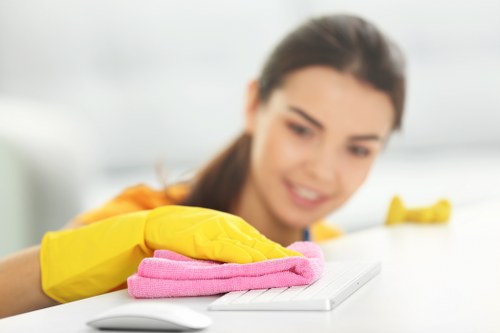
Office cleaning plays a major role in creating a safe and productive environment. Employees spend a significant portion of their day in the office, which means the condition of that space directly affects their comfort and well-being. Dust, clutter, and dirty surfaces can lead to distractions, allergies, and the spread of illness. In contrast, a well-cleaned workplace supports focus and reduces unnecessary interruptions.
Another important reason office cleaning matters is its effect on business reputation. Clients, partners, and potential hires often form opinions the moment they enter an office. A spotless lobby, organized conference room, and fresh-smelling environment can strengthen confidence in the company. On the other hand, neglected cleaning may suggest poor management, even when the business is otherwise successful.
Office cleaning is also about long-term protection. Regular maintenance helps preserve carpets, floors, windows, fixtures, and electronics. When dirt and grime are allowed to build up, replacement and repair costs can rise quickly. By investing in routine office cleaning, businesses often reduce maintenance expenses over time while keeping the workplace looking current and well cared for.
Key Benefits of Professional Office Cleaning
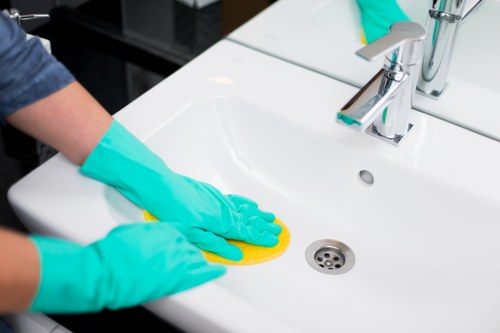
Professional office cleaning brings structure, consistency, and expertise to workplace maintenance. While basic tidying may be handled by staff, professional cleaners use specialized methods and tools to achieve a deeper level of cleanliness. This difference matters in high-traffic environments where surfaces, shared equipment, and communal areas can collect dirt quickly.
One major benefit is healthier indoor air. Dust, pollen, and airborne particles often settle in carpets, vents, blinds, and upholstery. Regular office cleaning removes many of these contaminants before they circulate throughout the space. Cleaner air can be especially valuable for employees with sensitivities, helping to create a more comfortable office atmosphere.
Professional office cleaning also improves consistency. A trained cleaning team follows a schedule and checklist, making it less likely that critical tasks will be forgotten. High-touch surfaces such as door handles, light switches, and shared desks receive proper attention. That consistency is especially important in offices where cleanliness affects customer-facing areas and collaborative workspaces.
Additional Advantages Worth Considering
- Reduced spread of germs and bacteria in shared areas
- Improved employee morale and workplace satisfaction
- Better presentation during meetings and client visits
- Longer lifespan for flooring, furniture, and fixtures
- More efficient use of employee time when cleaning is outsourced or scheduled properly
What a Thorough Office Cleaning Routine Should Include
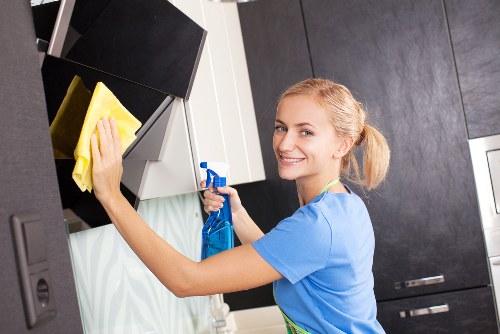
A strong office cleaning routine covers both visible and hidden areas. It should go beyond quick surface wiping and address sanitation, organization, and maintenance across the workplace. The exact plan may vary based on the size of the office and the nature of the business, but a few tasks are universally important.
Daily office cleaning often includes emptying trash bins, wiping down desks and counters, cleaning bathrooms, sanitizing kitchen areas, and vacuuming high-traffic floors. These tasks help maintain a presentable and hygienic environment throughout the week. In offices with constant foot traffic, daily attention is often necessary to keep spaces fresh and orderly.
Weekly or periodic office cleaning may include deeper tasks such as mopping hard floors, disinfecting phones and keyboards, cleaning interior glass, dusting vents and ceiling fixtures, and polishing reception furniture. Attention to detail matters because small oversights can quickly become noticeable in a busy office. A balanced cleaning schedule keeps the space consistently professional.
Common Office Cleaning Tasks by Area
- Reception areas: dusting, vacuuming, glass cleaning, and furniture polishing
- Workstations: surface sanitizing, trash removal, and dust control
- Conference rooms: table cleaning, chair wiping, and technology spot-cleaning
- Kitchen areas: sink sanitizing, appliance cleaning, and countertop disinfection
- Bathrooms: deep disinfection, restocking, and odor control
How Office Cleaning Supports Employee Health and Productivity

Office cleaning has a direct connection to employee health. Shared workspaces can easily become breeding grounds for germs when surfaces are not disinfected properly. Keyboards, desks, doorknobs, printers, and breakroom tables are all high-touch points that can carry bacteria and viruses. Consistent office cleaning reduces these risks and helps create a safer work environment.
A clean office can also reduce stress. People tend to work more efficiently in organized, uncluttered environments. When desks are free from dust and common areas are maintained properly, employees can focus on their responsibilities without being distracted by mess or unpleasant odors. This contributes to smoother workflows and fewer interruptions during the day.
There is also a psychological effect to consider. Employees often feel more valued when their workplace is clean and maintained with care. It sends a message that the company invests in their comfort and well-being. This can improve morale, support retention, and even encourage better habits among staff members. In that sense, office cleaning is both a practical and cultural asset.
Health-Focused Cleaning Priorities
- Disinfect shared surfaces frequently
- Pay special attention to restrooms and breakrooms
- Keep carpets and upholstery free of dust and allergens
- Improve ventilation and reduce indoor pollutant buildup
- Use appropriate cleaning agents for each surface
Choosing Between In-House and Professional Office Cleaning
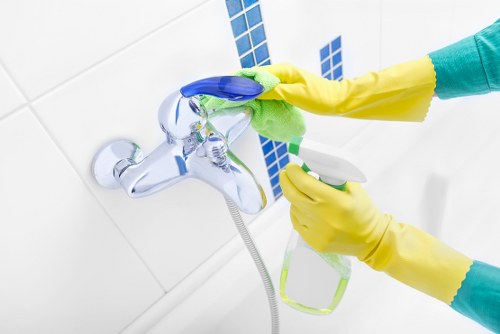
Many businesses wonder whether office cleaning should be done internally or outsourced to professionals. The right choice depends on budget, office size, staffing, and cleanliness expectations. In-house cleaning can work for very small teams or simple spaces, especially when employees share light responsibilities. However, larger or busier workplaces often need a more structured approach.
Professional office cleaning services typically bring better equipment, trained personnel, and standardized procedures. They can handle a wider range of tasks, from routine maintenance to deep cleaning and sanitation. For offices that host frequent visitors or operate in health-sensitive industries, outside cleaning support can be a strong investment.
In-house office cleaning may offer more control over scheduling, but it can also place additional burdens on staff who already have full workloads. When cleaning is not treated as a dedicated function, quality may decline quickly. By contrast, a professional service usually follows a clear plan and can scale with the office’s changing needs.
Factors to Weigh Before Deciding
- Size and layout of the office
- Frequency of client visits or public interaction
- Budget available for cleaning and maintenance
- Need for specialized sanitation or deep-cleaning tasks
- Expectations for consistency and visual presentation
Building an Effective Office Cleaning Schedule
One of the best ways to improve office cleaning is by creating a schedule that matches the rhythm of the workplace. Offices do not all need the same cleaning frequency, and a flexible plan often works better than a one-size-fits-all approach. The goal is to make sure every part of the office receives the right level of attention at the right time.
Daily office cleaning should focus on areas with constant use. These include shared desks, restrooms, entrances, kitchens, and meeting rooms. Weekly tasks can address less urgent but still important concerns such as dusting blinds, cleaning baseboards, and disinfecting office equipment. Monthly or quarterly office cleaning may include deep carpet care, window washing, and upholstery treatment.
It is helpful to assign priorities by area. For example, the reception area may require daily polishing because it influences first impressions, while storage spaces may only need periodic cleaning. A smart schedule balances appearance, hygiene, and practical workload. When planned correctly, office cleaning becomes much easier to manage and maintain.
Sample Office Cleaning Schedule
- Daily: trash removal, bathroom sanitizing, kitchen cleaning, floor vacuuming, surface disinfection
- Weekly: dusting shelves, polishing furniture, mopping floors, cleaning glass doors
- Monthly: deep-cleaning carpets, wiping vents, cleaning inside cabinets, checking air quality
- Quarterly: window cleaning, upholstery maintenance, detailed sanitation of hidden corners
Best Practices for High-Traffic Office Areas
High-traffic areas require extra attention because they accumulate dirt and germs faster than other parts of the office. Hallways, entrances, breakrooms, restrooms, and meeting spaces are used by many people each day. If these areas are neglected, the entire office can start to feel untidy regardless of how well other sections are maintained.
Office cleaning in these areas should prioritize sanitation and durability. Floors must be cleaned with methods appropriate to the material, whether that means vacuuming carpet, mopping tile, or polishing hardwood. Door handles, elevator buttons, coffee stations, and shared tables should be disinfected regularly. These small touchpoints play a surprisingly large role in overall cleanliness.
Consistency is the key to managing traffic-heavy spaces. A clean entryway or restroom sets the tone for the rest of the office, while neglected common areas can undermine the entire workplace atmosphere. By focusing on high-use zones, businesses can keep office cleaning efforts visible and effective.
Practical Tips for Busy Shared Spaces
- Place sanitizer in accessible locations
- Use mats at entrances to capture dirt before it spreads
- Schedule cleaning during low-traffic periods when possible
- Empty bins before they overflow
- Inspect high-touch surfaces multiple times per day
Office Cleaning and Workplace Image
The appearance of an office tells a story about the company behind it. Clients, vendors, and job candidates often notice cleanliness before they notice décor or branding. A tidy, well-maintained office suggests reliability, professionalism, and attention to detail. For this reason, office cleaning is closely tied to workplace image.
Reception areas are especially important. Because they are often the first space visitors see, they should always feel clean, organized, and welcoming. This includes polished floors, dust-free furniture, clean signage, and fresh-smelling air. Meeting rooms matter too, especially when used for important presentations or client discussions. A spotless meeting environment can reinforce trust and confidence.
Even internal spaces contribute to image. Employees notice when breakrooms, bathrooms, and workstations are maintained properly. That awareness affects how they view leadership and the organization overall. Good office cleaning is not just about impressing guests; it also helps build a workplace culture of respect and care.
Where Image and Cleanliness Overlap
- Reception and waiting areas
- Conference rooms and presentation spaces
- Executive offices and client-facing departments
- Shared kitchens and bathrooms
- Open-plan workstations and collaboration zones
Eco-Friendly Office Cleaning Options
More companies are looking for office cleaning practices that support sustainability. Eco-friendly cleaning focuses on reducing harsh chemicals, minimizing waste, and using efficient tools and methods. This approach can improve indoor comfort while aligning with broader environmental goals.
Green office cleaning often includes the use of low-toxicity products, microfiber cloths, reusable supplies, and energy-conscious equipment. It can also involve better waste sorting and recycling practices. In many workplaces, these choices are appreciated by both employees and clients who care about environmental responsibility.
Choosing environmentally friendly office cleaning does not mean sacrificing quality. In fact, many green methods are highly effective when used properly. The goal is to clean thoroughly while reducing unnecessary exposure to strong odors, residues, and waste. That balance makes eco-friendly office cleaning appealing for a wide range of businesses.
Examples of Greener Cleaning Habits
- Use certified environmentally responsible cleaning products
- Reduce single-use disposable materials where possible
- Prioritize refillable dispensers in restrooms and kitchens
- Choose equipment that improves cleaning efficiency
- Train staff or cleaners on safe product usage and dilution
How to Select the Right Office Cleaning Service
Finding the right office cleaning service requires more than comparing prices. Businesses should look for reliability, experience, and a clear understanding of office-specific needs. Different workplaces require different approaches, so a good cleaning provider should be able to tailor its services accordingly.
Start by reviewing what areas need attention and how often they should be cleaned. Then evaluate whether the service offers flexible scheduling, sanitation options, deep-cleaning support, and attention to high-touch surfaces. Communication is also important. A responsive provider will be easier to work with as the office grows or changes.
Quality office cleaning depends on trust and consistency. The best cleaning partner understands that the office is not just another building. It is a working environment where professionalism, safety, and comfort matter every day. Businesses should choose a service that treats those priorities seriously.
Questions to Ask Before Hiring
- What office cleaning tasks are included in the standard service?
- Can the schedule be customized for our workplace?
- How are high-touch surfaces and sanitation handled?
- What type of products and equipment are used?
- Is there a process for quality checks or service adjustments?
Office Cleaning Challenges and How to Overcome Them
Even with a good plan, office cleaning can face challenges. Busy schedules, inconsistent staff habits, and unpredictable foot traffic can make it difficult to maintain standards. The good news is that most cleaning issues can be solved with clear routines and practical expectations.
One common issue is clutter. Papers, cables, boxes, and personal items can make cleaning more difficult and reduce visual order. Encouraging simple desk organization habits can help. Another challenge is neglecting shared spaces. If employees assume someone else will clean the kitchen or meeting room, these areas can quickly become messy. Clear responsibility and scheduled maintenance help prevent that problem.
Another concern is hidden buildup. Dust behind furniture, grime under appliances, and dirt around vents often go unnoticed until they become major issues. This is where periodic deep office cleaning becomes valuable. By combining daily maintenance with deeper service intervals, businesses can stay ahead of common problems.
Ways to Reduce Cleaning Problems
- Set clear expectations for shared spaces
- Use checklists for recurring office cleaning tasks
- Schedule periodic deep cleaning sessions
- Encourage tidy desk habits across the team
- Review cleaning results regularly and adjust the plan as needed
The Long-Term Value of Consistent Office Cleaning
Consistent office cleaning creates value over time in ways that are easy to overlook at first. The office looks better, feels better, and functions better. Employees are less distracted by mess. Visitors form a stronger impression. Equipment and furnishings last longer. These combined benefits make cleaning one of the most practical investments a business can make.
Over time, consistency matters more than occasional deep cleaning alone. A spotless office once a month is not as effective as a workplace that is regularly maintained. Continuous office cleaning helps preserve standards and prevents small issues from becoming large ones. It also supports a stable routine that employees can rely on.
If your organization wants to improve workplace presentation, health, and daily comfort, office cleaning should be treated as a core operational priority. Clean spaces are productive spaces. They create a better experience for everyone who enters the office, from employees to clients to vendors.
Final Takeaway
Whether managed internally or through professional support, office cleaning should be planned with care and carried out consistently. The right approach can improve health, protect assets, strengthen brand image, and make everyday work more pleasant. If your workspace needs a higher standard of cleanliness, contact us today and take the next step toward a cleaner, more efficient office. Book your service now and experience the difference that a well-maintained workplace can make.